 The Golden Investor
 Understanding the Risks of Investing in Precious Metals
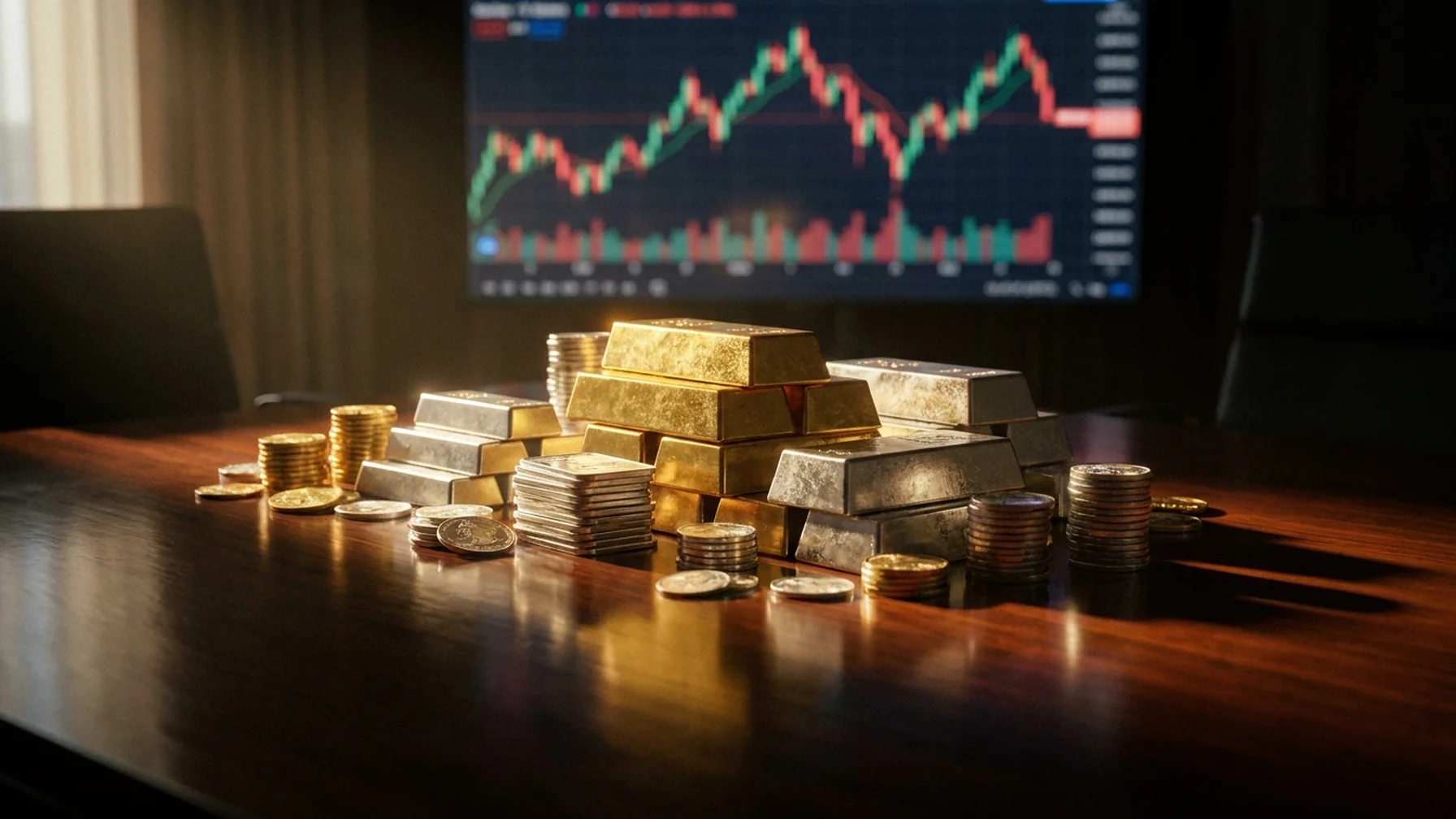
Investing in precious metals such as gold, silver, platinum, and palladium is often considered a safe haven during economic uncertainty. These metals are valued for their rarity and historical significance as a store of wealth. However, like any investment, they come with their own set of risks. From price volatility to security concerns, understanding these risks is crucial for informed decision-making. This guide explores the various risks associated with investing in precious metals, helping you navigate this market with greater confidence and awareness.
Volatility in Precious Metal Prices
Precious metals are known for their price volatility. While they can hedge against inflation, their prices are subject to sharp fluctuations due to market sentiment, geopolitical events, and economic data. For instance, during the 2008 financial crisis, gold prices soared as investors sought safety. However, such spikes can be temporary and may quickly reverse. Unlike stocks, which often provide dividends, precious metals rely solely on price appreciation. This reliance on market conditions can make them a risky asset class for those seeking stable returns.
How to Mitigate Risks in Precious Metal Investments
Reducing risks in precious metal investments requires thoughtful strategies that ensure portfolio safety and diversity. Consider these key strategies to manage risk:
- Balance between physical and paper investments, like mining stocks or ETFs, to distribute risk while enjoying liquidity.
- Keep up with market trends and geopolitical events impacting prices by regularly following financial news.
- Limit the share of your portfolio in precious metals to ensure a balanced mix of assets, reducing volatility impact.
- Opt for trustworthy dealers and advisors to steer clear of fraud and make informed purchase decisions.
- Continuously review and adjust your investment plan to adapt to performance changes and economic shifts.
Using these strategies helps investors handle the risks linked to precious metals while keeping their financial goals in focus. Staying alert to market changes is crucial for success.
Market Speculation and Manipulation
The precious metals market is susceptible to speculation and potential manipulation. Large investors and financial institutions can significantly impact prices through substantial buying or selling activities. For example, it is not uncommon for hedge funds to make large speculative bets on gold futures, influencing short-term price movements. Understanding these market forces is vital for investors considering precious metals, as prices can be affected by factors beyond supply and demand.
Storage and Security Concerns
Investing in physical precious metals requires secure storage solutions. Whether you opt for a home safe, a bank vault, or a professional storage facility, each option comes with associated costs and risks. For instance, storing gold at home increases the risk of theft, while bank vaults may charge annual fees. Additionally, during times of crisis, accessing physical metals stored in remote locations can be challenging. These storage concerns must be weighed against the potential benefits of holding tangible assets, as they add an extra layer of complexity and cost to precious metal investments.
Illiquidity in the Precious Metals Market
Unlike stocks or exchange-traded funds (ETFs), precious metals can be less liquid, meaning they may not be as easily converted into cash. Finding a buyer at the desired price can be difficult, especially in slow markets. For instance, during a market downturn, demand for physical gold may drop, making it harder to sell quickly without accepting a lower price. This illiquidity can pose a significant risk for investors who may need to access their funds promptly. Understanding the liquidity of your precious metal investments is crucial for effective financial planning and risk management.
Counterparty and Purity Risks
When purchasing physical metals, investors face the risk of counterfeiting or buying impure products. It's essential to verify the authenticity and purity of the metals through trusted sources. Reputable dealers, certifications, and assay reports can help mitigate these risks. Nonetheless, due diligence is always necessary. For example, in 2012, a wave of counterfeit gold bars was discovered in Manhattan, emphasizing the importance of vigilance in the precious metals market.
Gold vs. Stocks: A Detailed Comparison
Investors often debate between investing in gold or stocks. Here’s a detailed comparison to help you understand the key differences and risks associated with each.
While gold is traditionally viewed as a stable store of value, stocks offer dividends and growth potential. However, stocks also come with their own risks, such as market volatility and economic downturns. Diversifying your portfolio by balancing both can help mitigate risks. Below is a comparison table highlighting some of the key points:
Comparison of Gold and Stocks
| Factor | Gold | Stocks |
|---|---|---|
| Volatility | High during economic uncertainty | High, influenced by market trends |
| Income Generation | None (no dividends) | Possible through dividends |
| Liquidity | Less liquid | Highly liquid |
| Storage Costs | Yes, for physical gold | No storage costs |
| Inflation Hedge | Effective | Variable, depending on the stock |
Understanding these differences can help investors tailor their strategies according to their financial goals and risk tolerance. For instance, an investor seeking stability may prioritize gold, while one looking for income and growth might favor stocks.
Common Mistakes in Precious Metal Investing
Investors often make mistakes when entering the precious metals market. Understanding these pitfalls can help you avoid them. A common mistake is investing without proper research, leading to decisions based on emotions rather than facts. For example, panic buying during economic crises without understanding market dynamics can result in buying at peak prices. Another mistake is over-investing in precious metals, which reduces portfolio diversification and increases risk exposure. A balanced approach is crucial.
Additionally, neglecting to verify the authenticity and purity of purchased metals can lead to financial loss. Always transact with reputable dealers and seek third-party verification when possible. Lastly, failing to consider storage and security costs can erode potential profits. Planning for these expenses is essential for maintaining investment value.
By being aware of these common mistakes and proactively addressing them, investors can enhance their ability to succeed in the precious metals market.
Conclusion
Investing in precious metals offers both opportunities and risks. Understanding the volatility, storage concerns, and market dynamics can help you make informed decisions. By diversifying and staying informed, you can potentially safeguard your investments and capitalize on the benefits of precious metals. Whether you're seeking stability during economic uncertainty or looking to diversify your investment portfolio, being aware of the risks and strategies involved is key to achieving your financial goals.