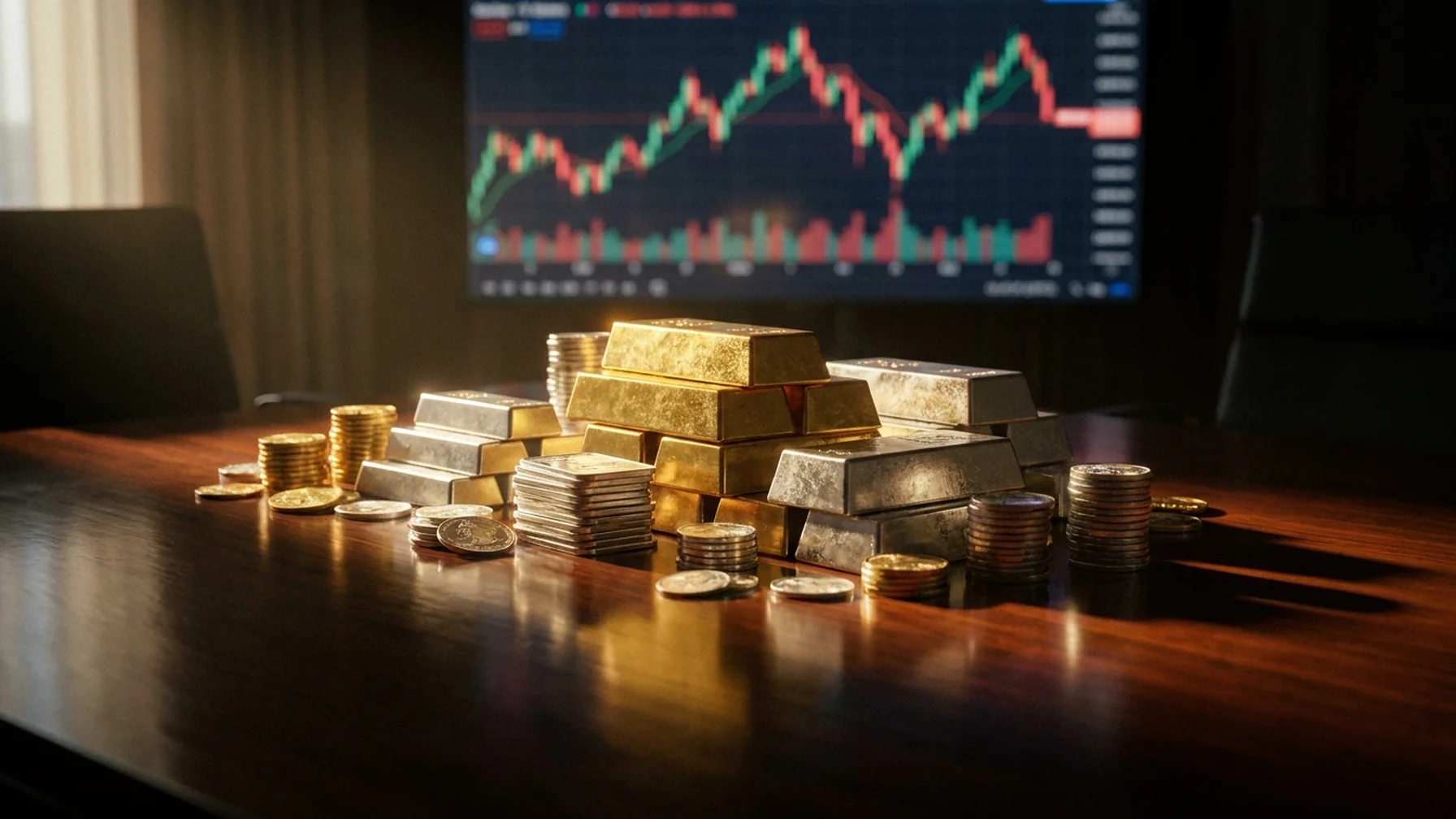
 The Golden Investor
 Understanding Trends in Gold Prices: A Guide for Investors

Investing in gold can seem challenging, especially for beginners. However, understanding trends in gold prices can provide valuable insights into making informed investment decisions. Gold has been a symbol of wealth and a reliable investment for centuries. Its prices have witnessed significant fluctuations due to various factors, making it essential for investors to grasp these trends. This article will guide you through the basics of gold investment, highlighting key trends and how they can impact your investment strategy. By the end of this guide, you'll have a clearer understanding of how to incorporate gold into your investment portfolio.
The Historical Context of Gold Prices
Gold has long been considered a safe haven asset, prized for its ability to preserve value. Historically, gold prices have been influenced by a variety of factors, including economic stability, inflation, and geopolitical events. For instance, during the 2008 financial crisis, gold prices surged as investors flocked to a more secure asset. Similarly, geopolitical tensions like the Gulf War saw spikes in gold prices. Understanding these historical trends can help investors anticipate future movements. Case studies show that during periods of economic uncertainty, gold often outperforms other assets, reinforcing its role as a financial refuge.
Key Factors Influencing Gold Prices
Several factors can drive changes in gold prices. Here are some of the most significant:
- Inflation: Gold often acts as a hedge against inflation. When inflation rates rise, gold prices typically increase as well. For example, during the 1970s, high inflation rates in the US led to a dramatic rise in gold prices.
- Interest Rates: Lower interest rates can make gold more attractive as an investment, driving up prices. The negative correlation between interest rates and gold prices can be observed during the 2000s when falling rates led to increased gold demand.
- Geopolitical Tensions: Political instability or conflict often leads to higher gold prices as investors seek safe assets. The Brexit vote in 2016 is a prime example where uncertainty boosted gold prices.
- Currency Fluctuations: A weaker currency can increase gold prices, as gold is priced in U.S. dollars globally. For example, a dip in the dollar often results in increased gold prices, as observed during various economic downturns.
Being aware of these factors can help predict potential shifts in gold prices, aiding investment decisions. Keeping an eye on macroeconomic indicators and geopolitical news can provide early signals for gold price movements.
Gold vs. Stocks: An Investment Comparison
Deciding whether to invest in gold or stocks depends on your financial goals and risk tolerance. Gold is generally seen as a stable, long-term investment, while stocks can offer higher returns but with greater volatility. For instance, during the COVID-19 pandemic, while many stocks plummeted, gold maintained its value, highlighting its role as a stabilizing force. Diversifying your portfolio with both assets could balance risk and reward. However, it's crucial to weigh the historical returns and volatility of both asset classes to align with your investment strategy.
Comparison Table: Gold vs. Stocks
This table summarizes the key differences between investing in gold and stocks.
| Aspect | Gold | Stocks |
|---|---|---|
| Volatility | Low | High |
| Liquidity | Moderate | High |
| Inflation Hedge | Strong | Weak |
| Return Potential | Moderate | High |
| Market Influence | Global Events | Company Performance |
This comparison highlights that while gold provides stability, stocks offer higher growth potential. A balanced approach, incorporating both, can help mitigate risks and capitalize on growth opportunities.
How to Start Investing in Gold
Investing in gold can be done in several ways, each with its own benefits and considerations. Here are some options:
- Physical Gold: Buying gold bars or coins provides tangible assets, but storage and insurance can be costly. For example, owning a gold coin collection can offer a sense of security but requires secure storage solutions.
- Gold ETFs: Exchange-Traded Funds offer a convenient way to invest in gold without owning physical assets. They provide liquidity and ease of trading, similar to stocks, making them ideal for short-term investors.
- Gold Mining Stocks: Investing in companies that mine gold can provide exposure to the metal's performance. However, it's crucial to assess the company's financial health and operational risks, as seen in the case of fluctuating mining costs affecting stock prices.
Each method has its pros and cons, and choosing the right one depends on your individual investment strategy and financial situation. Consider your risk tolerance, investment horizon, and the level of exposure you desire when selecting the investment avenue.
Building a Diversified Investment Portfolio
Including gold in your investment portfolio can provide diversification, reducing overall risk. Diversification involves spreading investments across different asset classes to mitigate potential losses. For instance, during the 2008 financial crisis, diversified portfolios with gold performed better than those heavily invested in stocks alone. Consider balancing gold with stocks, bonds, and other assets to achieve a well-rounded portfolio. For more on diversification, explore our guide on diversification strategies. Diversification not only protects against market volatility but also enhances potential returns.
Strategies for Investing in Gold
Investing in gold requires a strategic approach. Here are some strategies to consider:
- Dollar Cost Averaging: Invest a fixed amount regularly, regardless of price fluctuations, to reduce the impact of volatility. This method can be particularly effective in volatile markets, smoothing out the effects of dramatic price swings over time.
- Long-Term Holding: Gold is often a long-term investment, so patience can pay off as prices rise over time. Historical data suggests that holding gold over decades has provided consistent returns, even during economic downturns.
- Monitoring Trends: Stay informed about economic news and geopolitical events that could affect gold prices. For example, keeping track of central bank policies and global trade agreements can offer insights into future price movements.
Developing a strategy that aligns with your financial goals can enhance your investment outcomes. While each strategy has its merits, combining them can offer a robust approach to maximizing returns and minimizing risks.
Conclusion: The Role of Gold in Your Investment Journey
Understanding trends in gold prices and how to invest effectively is crucial for any investor seeking stability and security in their portfolio. Whether you are a beginner or a seasoned investor, gold can be a valuable addition to your investment strategy. By considering historical trends, comparison with stocks, and strategic investment methods, you can make informed decisions that align with your financial objectives. Gold's ability to act as a hedge against inflation and economic uncertainty makes it a compelling choice for diversifying and strengthening your investment portfolio.